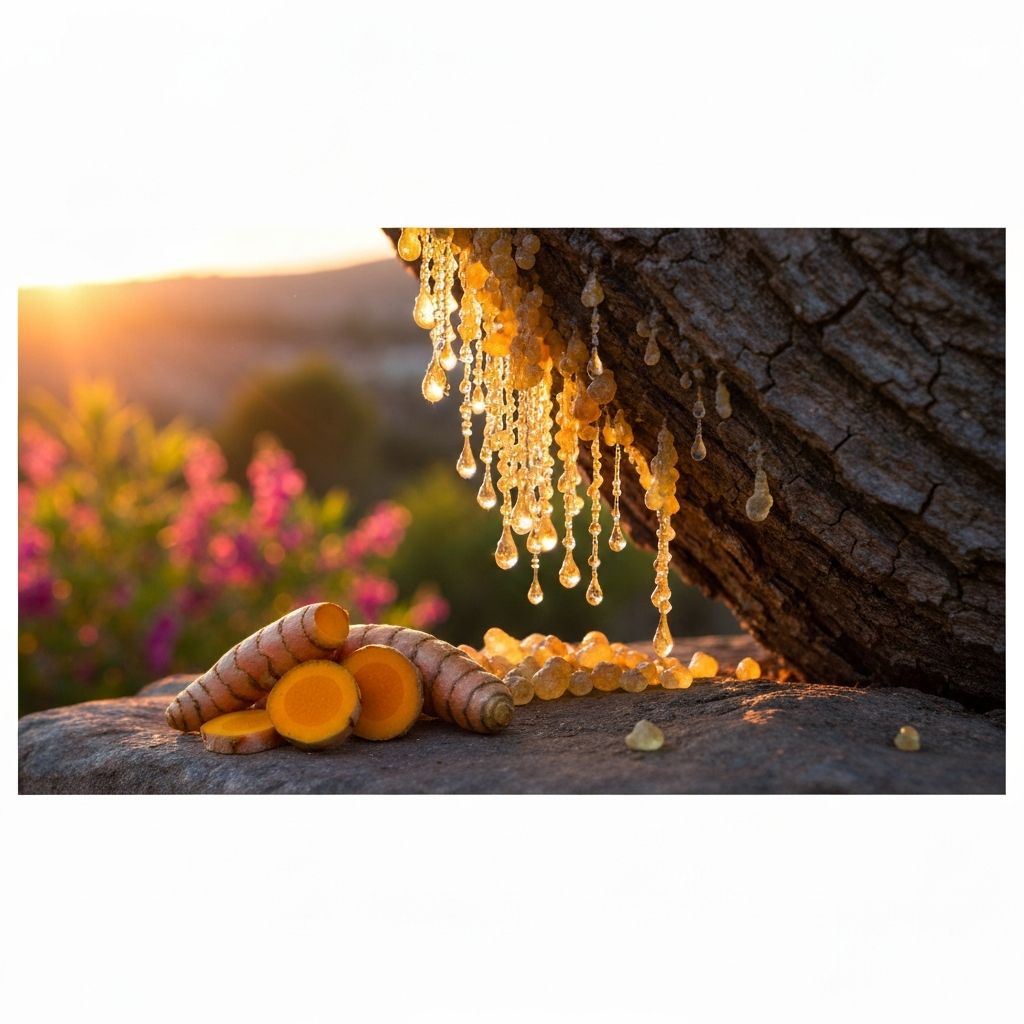
Mediterranean Herbal Traditions
Exploring the botanical heritage and traditional uses of Boswellia serrata resin and Curcuma longa rhizome
Educational content only. No promises of outcomes.
Boswellia serrata Resin
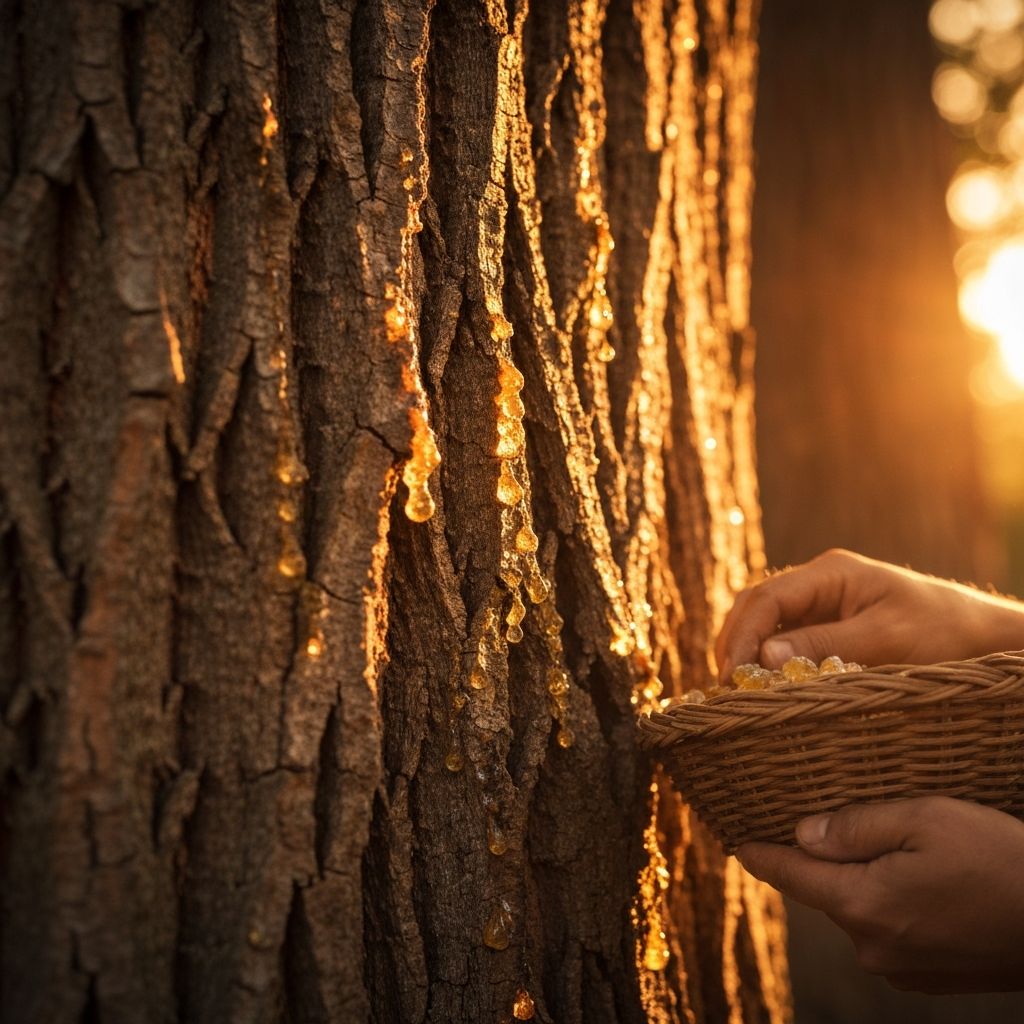
Boswellia serrata, commonly known as frankincense or shallaki, is a tree native to the arid regions of the Arabian Peninsula and India. The plant has been central to trade routes connecting the Mediterranean, Middle East, and Asian markets for thousands of years.
Historical Context
The resin collection process involves tapping the bark of mature trees, allowing the natural sap to crystallize into tears. This method, documented in ancient trade records, represents one of the oldest harvesting practices in herbal traditions. Mediterranean traders exchanged Boswellia resin through established spice routes, integrating it into regional wellness practices.
Tree Characteristics
The Boswellia tree grows in harsh, dry climates with minimal rainfall. Its bark is thin and papery, making it suitable for resin collection. The tree can reach heights of 5-8 meters and produces small white flowers. The resin is naturally produced as a protective response to environmental stress, accumulating on the bark surface over weeks.
Curcuma longa Rhizome
Curcuma longa, known as turmeric or curcuma, is a flowering plant in the ginger family native to South Asia. The rhizome, an underground stem, is the primary part used in traditional practices. The plant's cultivation expanded throughout the Mediterranean region through historical trade exchanges and cultural connections.
Cultural Exchange
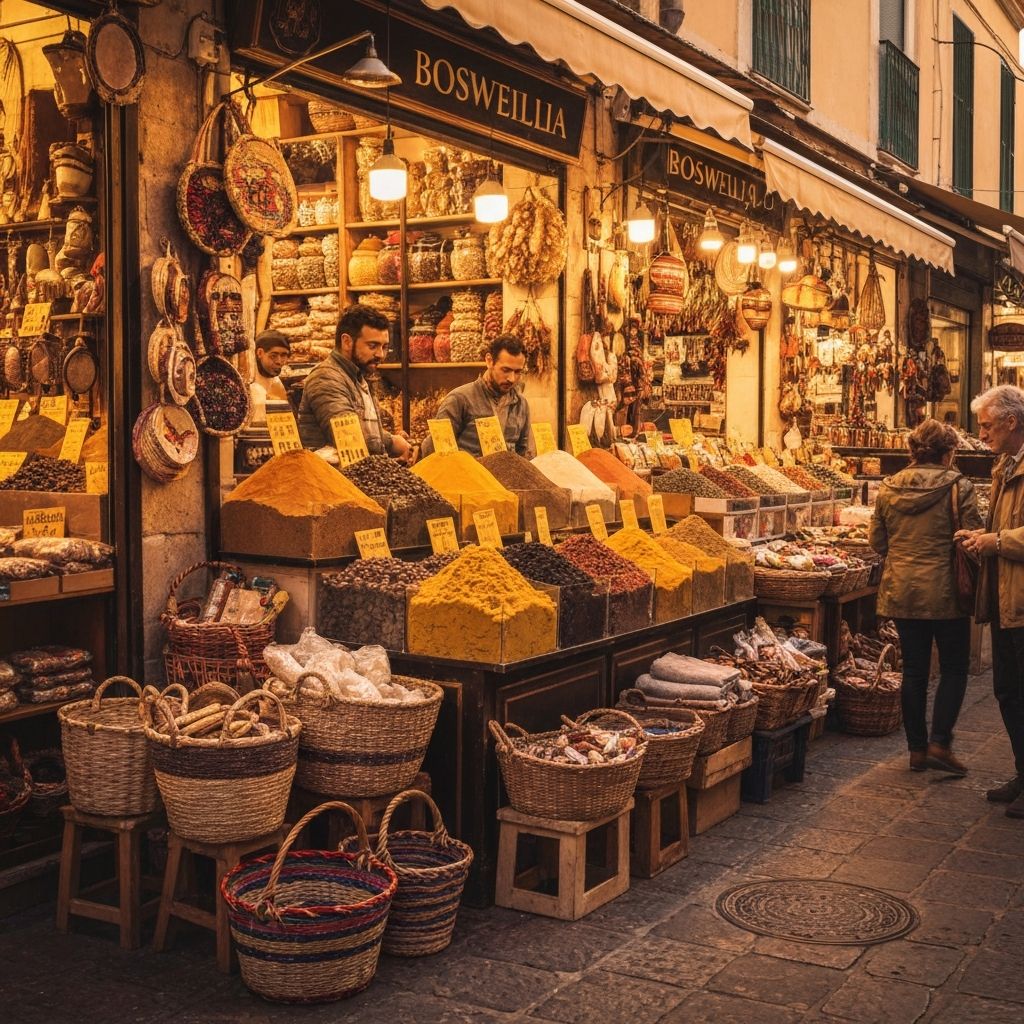
Mediterranean and Eastern civilizations exchanged knowledge about turmeric cultivation through established trade networks. The rhizome's distinctive golden color and complex flavor profile made it valuable in both culinary and traditional wellness contexts. Records indicate that by the medieval period, turmeric was a standard commodity in Mediterranean spice markets.
Plant Features
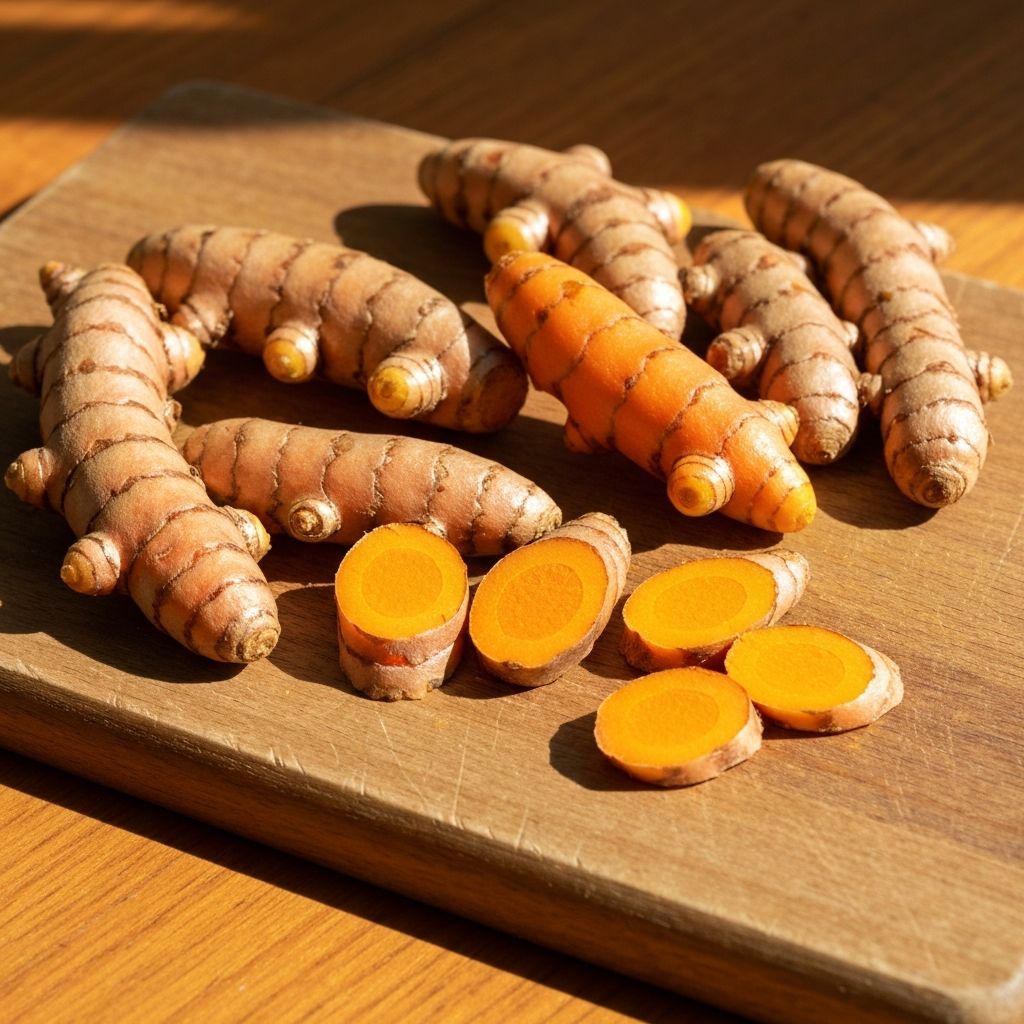
Curcuma longa grows in tropical and subtropical climates, preferring warm temperatures and moderate rainfall. The plant reaches 60-90 centimeters in height with large, elongated leaves. The rhizome is harvested after 7-10 months of growth, revealing a vibrant golden interior. Each plant produces multiple interconnected rhizomes that can be processed through traditional methods.
Traditional Preparation Approaches
Folk wisdom across Mediterranean and Eastern cultures developed specific methods for processing both Boswellia resin and Curcuma longa rhizome. These techniques evolved through generations of observation and practical application.
Resin Processing
Purification: Collected Boswellia tears are traditionally sorted by hand to remove bark fragments and debris. The purified resin can be ground into fine powder using stone mortars or wooden tools, a process that may take several hours.
Oil Infusion: Folk methods involve steeping purified resin in carrier oils such as sesame or coconut oil, allowing the compounds to extract over weeks. The resulting infusion creates a fragrant preparation with traditional applications.
Rhizome Processing
Drying: Fresh turmeric rhizomes are traditionally dried in the sun over 10-14 days, turning from ivory to deep golden color. The dried form is more stable for long-term storage in Mediterranean pantries.
Powdering: Dried rhizomes are ground into fine powder using hand mills or stone grinding, creating the vibrant golden spice familiar in traditional cooking and wellness practices. Paste preparations involve mixing powder with water or oil to create smooth preparations.
Key Phytochemical Constituents
Both Boswellia serrata and Curcuma longa contain complex sets of naturally occurring compounds that have been subjects of botanical study.
Boswellic Acids
The resin of Boswellia serrata contains several pentacyclic triterpenoids known collectively as boswellic acids. The primary constituents include:
- Acetyl-11-keto-β-boswellic acid (AKBA)
- β-boswellic acid
- 11-keto-β-boswellic acid
- Keto-boswellic acid
These compounds represent approximately 30-65% of the dried resin by weight, with AKBA being considered the most characteristic marker.
Curcuminoids
Curcuma longa rhizome contains a group of polyphenolic compounds called curcuminoids. The major constituents include:
- Curcumin (diferuloylmethane)
- Demethoxycurcumin
- Bisdemethoxycurcumin
- Tetrahydrocurcumin
Curcuminoids represent 2-8% of dried rhizome weight, with curcumin being the primary and most studied compound in traditional rhizome preparations.
Cultural Role in Active Traditions
Both Boswellia resin and Curcuma longa rhizome held important places in Mediterranean and Eastern traditions related to maintaining physical comfort and supporting active daily life. Historical records suggest these plants were integrated into wellness rituals specifically designed for individuals engaged in physically demanding work.
Historical Wellness Context
Mediterranean and Eastern cultures documented the use of these plants in preparations consumed by workers, farmers, and those engaged in sustained physical activity. The tradition extended to rituals performed before, during, and after periods of active movement. These practices were passed down through generations as part of daily wellness routines.
Seasonal Use Patterns
Traditional records indicate seasonal consumption patterns, with increased use during harvest periods and active work seasons. The plants were incorporated into daily meals, herbal teas, and specialized preparations designed to support the demands of active lifestyles in pre-modern agricultural societies.
Combined Use in Herbal Lore
Traditional practices across Mediterranean and Eastern regions documented the combined use of Boswellia resin and Curcuma longa rhizome in specific preparations. This pairing represents one of the most enduring examples of herbal combination therapy in folk traditions.
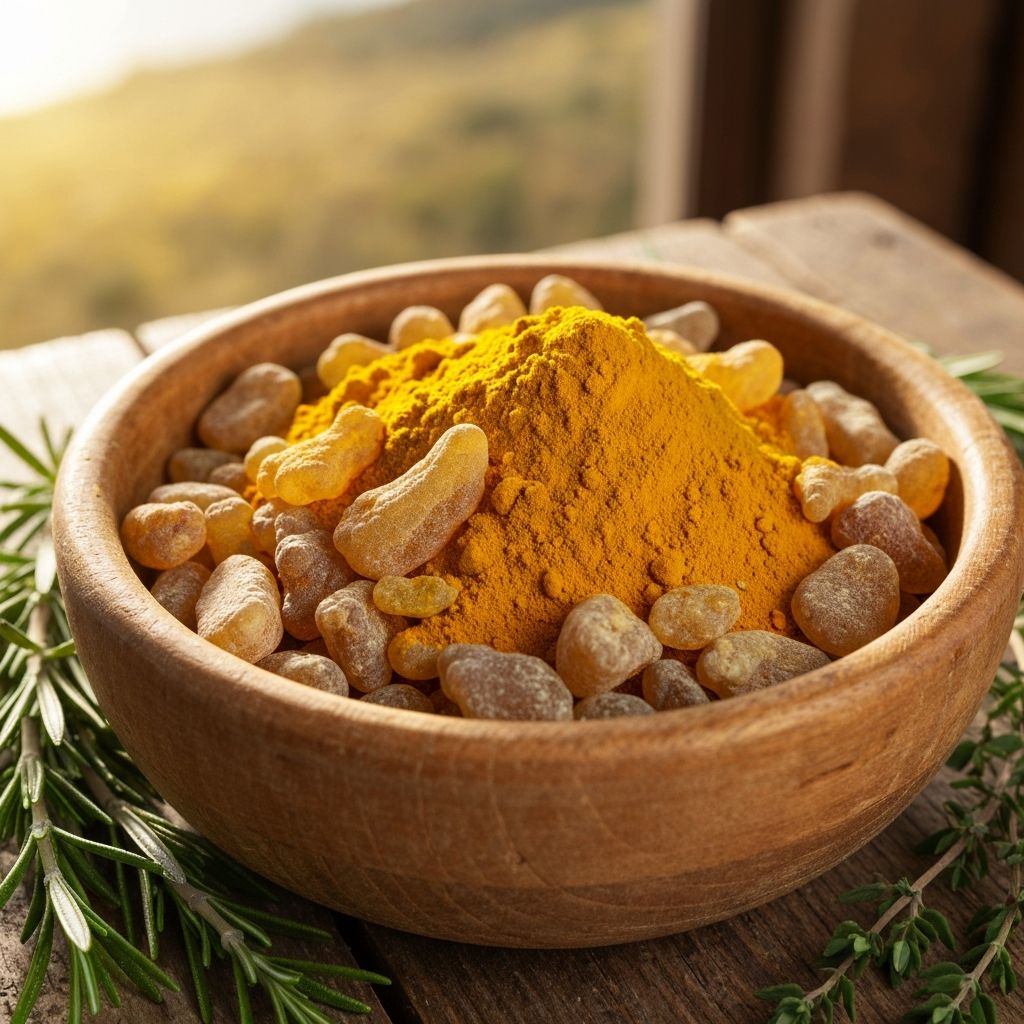
Balanced Herbal Blends
Traditional preparations combined resin powder with turmeric powder in specific ratios, creating balanced formulations. These blends were prepared fresh or stored as dry mixtures for extended use, representing common folk approaches to managing wellness.
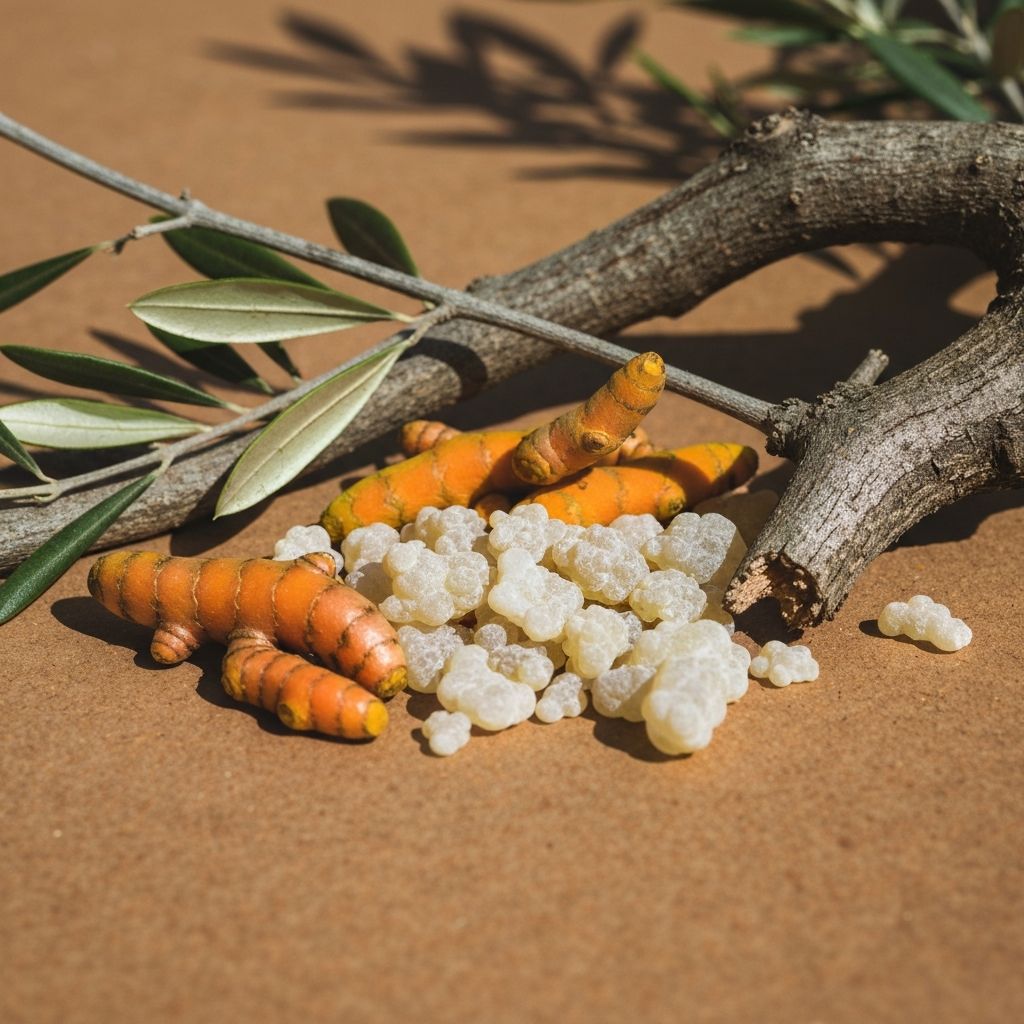
Mediterranean Integration
Mediterranean healers incorporated both plants into oil-based preparations, often combining them with olive oil and other regional herbs. This integration reflects the cultural synthesis of Eastern knowledge with Mediterranean plant traditions.
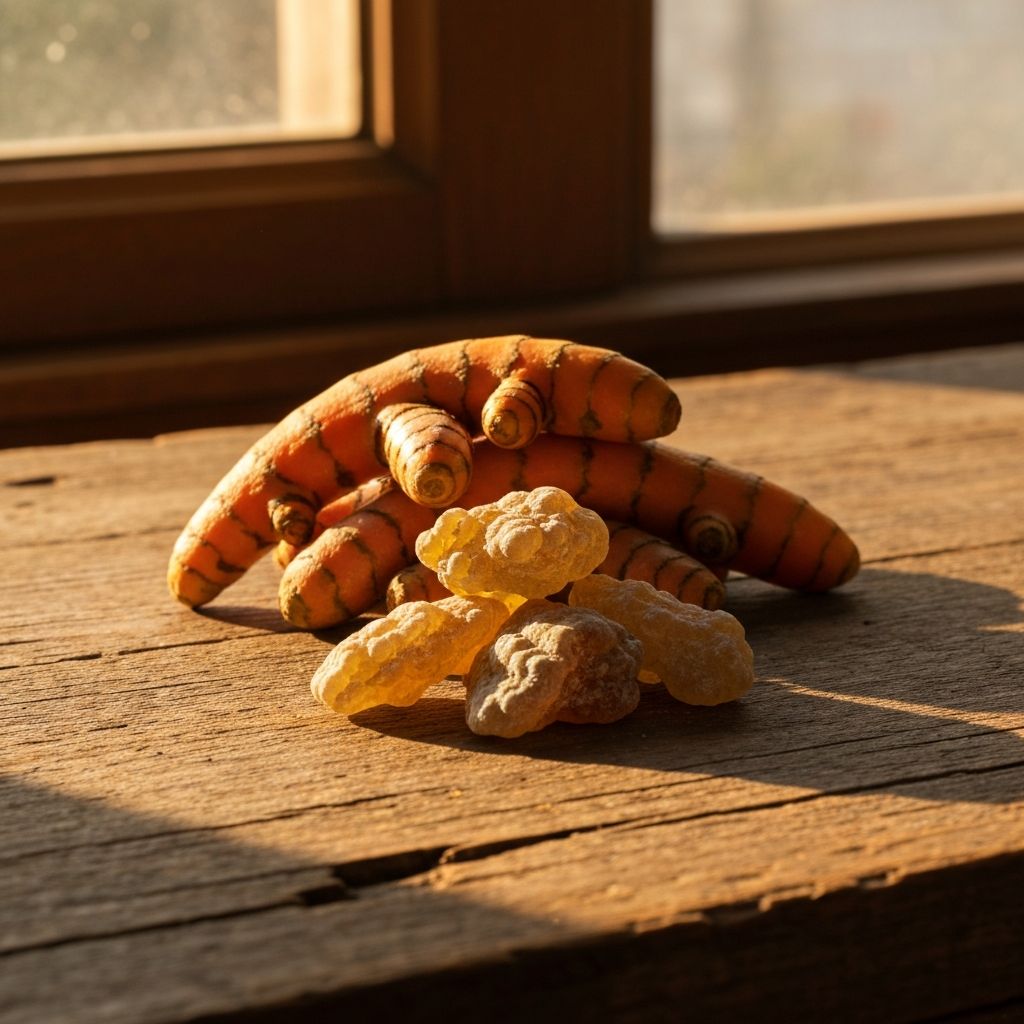
Complementary Properties
Historical documentation suggests that the two plants were valued for their complementary roles in traditional wellness practices. The resin was prized for its aromatic qualities, while the rhizome contributed both flavor and perceived wellness benefits to combined formulations.
Diaphragmatic Breathing for Activity
Traditional wellness practices across Mediterranean and Eastern cultures emphasized specific breathing patterns to support physical activity and overall comfort. These techniques represent some of the oldest documented approaches to managing physical demands through breath control.
Historical Breathing Traditions
Documented practices from ancient Mediterranean and Eastern sources describe systematic breathing patterns recommended for those engaged in sustained physical activity. These patterns were integrated into daily routines, particularly among those performing demanding physical work.
Basic Traditional Pattern: Slow, deliberate nasal inhalation for a count of 4, followed by a gentle exhalation for a count of 4, performed for 5-10 minutes. This pattern was traditionally practiced before and after periods of activity.
Mediterranean and Eastern traditions emphasized that consistent practice of these breathing approaches could support physical resilience and comfort during active pursuits. The techniques required no equipment and could be practiced anywhere.
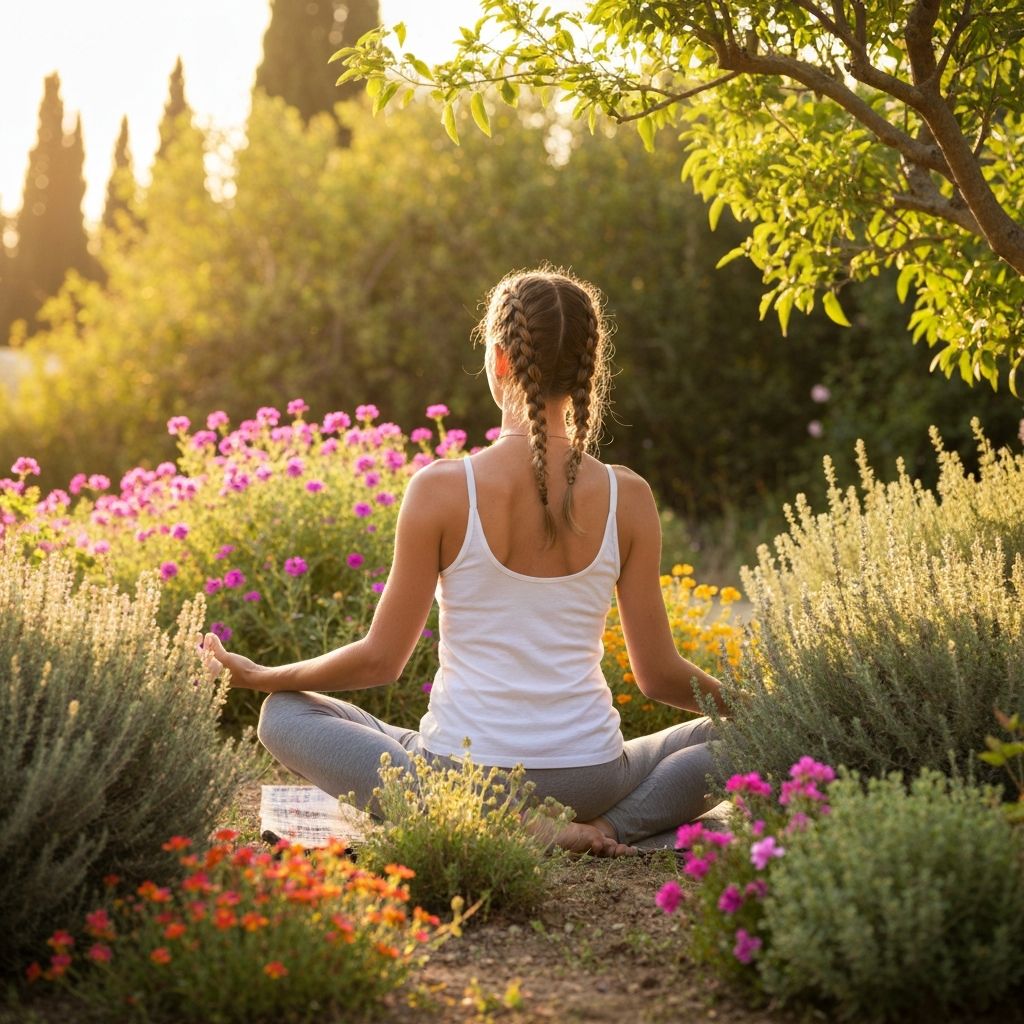

Quick Relaxation Practices
Mediterranean and Eastern wellness traditions documented specific relaxation techniques designed to manage stress and support overall comfort. These practices were integrated into daily routines as part of comprehensive wellness approaches.
Progressive Awareness Method
A traditional technique involves systematic attention to different body regions, starting from the toes and moving toward the head. This neutral awareness practice, documented in historical sources, required 10-15 minutes and was performed in a comfortable seated or reclined position.
Basic Process: Begin by bringing gentle attention to the feet, noticing sensations without judgment. Slowly move awareness upward through the legs, torso, arms, and head. The practice emphasizes neutral observation rather than attempting to change physical sensations.
Historical records indicate that practitioners who performed these techniques daily reported improved comfort and reduced stress levels. The tradition emphasized consistency and gentle approach rather than intensive practice.
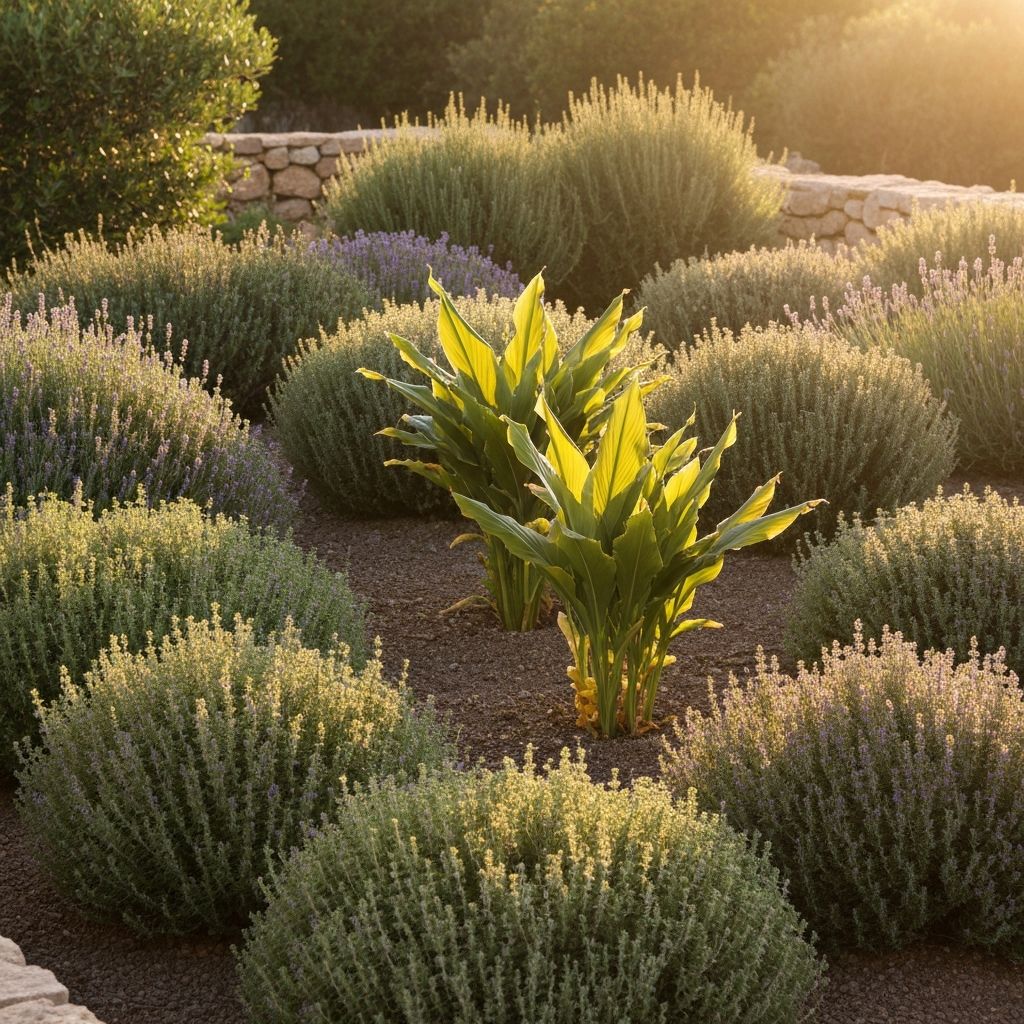
General Plant Diversity in Daily Routines
Mediterranean and Eastern traditions emphasized a diverse approach to plant use in supporting active, healthy lifestyles. Rather than relying on single plants, traditional wisdom valued the integration of multiple botanical sources into daily wellness practices.
Diverse Plant Integration
Historical wellness practices incorporated numerous plants alongside Boswellia and Curcuma, including ginger, black pepper, cinnamon, and various Mediterranean herbs. This diversity reflected an understanding that different plants contributed unique qualities to comprehensive wellness approaches.
Balanced Living Practices
Traditional cultures recognized that plant-based practices worked best in conjunction with other lifestyle factors: adequate rest, regular movement, stress management, and balanced nutrition. Plants were viewed as supporting elements rather than primary solutions for maintaining comfort and supporting active lifestyles.
Educational Context and Limitations
Informational Nature: All materials presented on this resource are strictly educational and informational. The content describes botanical characteristics, historical uses, and traditional preparation methods based on documented cultural practices and folk wisdom.
Not Personal Guidance: Nothing on this site constitutes medical, nutritional, therapeutic, or health advice. This resource does not provide personalized recommendations for individuals or specific health situations.
Diverse Approaches: Wellness and health practices vary significantly among individuals. Different people may respond differently to various approaches, and what works in one cultural context may not apply universally.
Professional Consultation: For any questions about your personal health, wellness practices, or how botanical materials might interact with your individual circumstances, please consult qualified healthcare professionals. This educational resource is not a substitute for professional medical or wellness advice.
No Guarantees: The information provided makes no claims about outcomes, effectiveness, or suitability for any individual or condition. Your health and wellness decisions should be made in consultation with qualified professionals.